
Staying consistent takes more than willpower; it needs a down-to-earth plan, reliable quality controls, and doable scheduling. With the right structure, you’ll trade guesswork for steady wins. We’ll walk through a practical playbook that blends weekly scope, smart inputs, clean workflow, safety-first checks, and long-haul care. The aim is simple: lock in small wins, log them, and level up each block. You’ll learn which choices speed progress, which ones drag it, and how to course-correct quickly. We’ll use real examples for both apartment setups and group-class spaces, showing what changes first and what can wait. In the end, you’ll have a simple system you can trust.
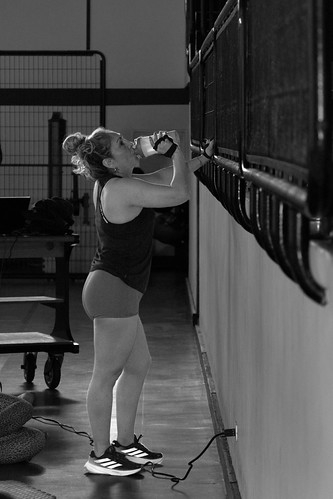
Map scope and order for a repeatable weekly push
Set a weekly outline that aligns your life, not the other way around. Plan three strength days, two short conditioning blocks, and one mobility flow, then reserve a flex day; Gym avoid stacking heavy lifts the day after a hard sprint. Start by logging one week of current activity to reveal true capacity. Try a 1–5 effort score to catch drift before it becomes a stall. Keep the plan visible on your fridge, phone, or rack board. If you miss a day, shift, don’t cram.
Dial the weekly sequence so stress waves up and down, not sideways. Anchor the "big rocks" first: compound lifts, sprints, and skill work; tuck accessories around them. Avoid competing stressors back-to-back; mix planes and patterns to spread load. Use a 3:1 build-deload rhythm across four weeks to refresh while advancing. Write tomorrow’s intent before you sleep to cut decision fatigue. Small, steady blocks beat heroic, random bursts.
Select inputs and recovery that serve your goals now
Match your equipment to your focus and space. For a compact setup, pick a bar with safe knurl, plates that don’t bounce wildly, and adjustable dumbbells; Gym add a flat bench and a sturdy rack if ceiling height allows. A fan bike or loaded carry can replace pricier machines. Choose straps or chalk for grip tasks, not both at once. Use one trusted tool to time intervals and log sessions. Buy once, use often, then expand carefully.
Fuel and recovery are equal partners, not afterthoughts. Center meals on lean protein, fiber, and steady carbs when workloads rise. Standardize warm-up and fueling to reduce variables. Sleep 7–9 hours with a cool room and a set wind-down. Use a daily walk for low-stress blood flow and joint health. If you’re short on time, trim accessories, not core lifts.
Orchestrate sessions and rest with a predictable weekly cadence
Think in blocks, not random days. Run a four-week cycle where Mondays hit lower-body strength, Wednesdays push upper and skill, Fridays blend total-body power, and Saturdays touch aerobic base; Gym leave Tuesdays and Sundays for mobility and easy walks. Slot ten-minute primers before main work to raise temperature and focus. Cap sessions at 60–75 minutes to preserve intensity and attention. Own your calendar; default to action, not indecision. Structure beats motivation when the week gets messy.
Add slack to absorb chaos without derailing progress. Keep one floating session you can pull in on Thursday if a lift slips. Design a hotel-room template with push-ups, split squats, and carries. Use EMOMs for density when time is thin. End each session with notes to speed the next start. The plan you can execute beats the plan you admire.
Guard quality and mitigate overreach with simple checks
Quality drives outcomes, and risk lives where ego hides. Film your top set from the side and rear quarter, then grade it against three cues; Gym lower load if two cues slip. max true-max touches to protect joints and nervous system. Keep two reps in reserve on accessories to bank volume safely. Vary bars or tempos to spare elbows and hips. Objective checks keep you honest when hype rises.
Build simple stop-rules so you don’t guess under fatigue. If bar speed drops below a set threshold, cut the set; if landing sounds harsh, swap to low-impact work. Treat sharp pain as a hard stop, not a puzzle to solve. Back off before your body makes the choice. Prudent athletes stack more good days than bold ones.
Sustain equipment and habits for long-haul durability
Take care of the stuff that takes care of you. Wipe bars after chalky sessions, check rack bolts monthly, and rotate plates to even wear; Gym keep cables and pulleys inspected on the same day you log maxes. Dust fans and vents so airflow stays clean. Vacuum rubber flooring to protect edges and traction. Tie maintenance days to program shifts so nothing gets missed. Order is a quiet strength multiplier.

Longevity also means caring for your body and data. Keep a simple record: loads, sets, sleep, and mood. Use trendlines to nudge loads, not wild leaps. Sprinkle mobility snacks between desk blocks to keep range. Retire beat-up shoes before they reshape your gait. The goal is decades of capable movement, not a single epic week.
Conclusion: Keep your plan scoped, your tools matched, your week structured, and your standards high. Protect joints and gear, and your progress will compound without drama. Start lean, log well, and adjust with care as life shifts. Do that, and you’ll build stronger days for years to come.
